
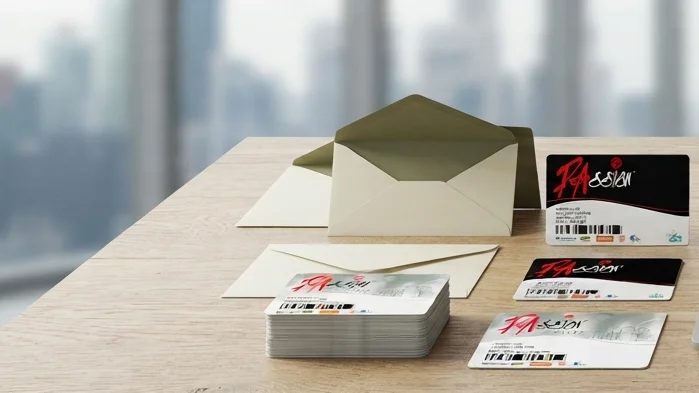
Starting a membership card programme involves more than printing a plastic card with a logo. You need to decide what the card is for, prepare member information, create the design, manage personalisation, organise production and plan how completed cards will reach your members.
For organisations in Singapore, the process can be managed as one connected workflow — from card design and printing to storage, packing and delivery.
Here is a practical way to plan it.
1. Define What Your Membership Card Programme Will Do
Start with the purpose of the card.
A membership card may be used to:
- Identify registered members
- Provide access to member benefits
- Support loyalty or reward programmes
- Offer member discounts or privileges
- Identify customers or participants
- Support corporate or community programmes
- Create a physical connection between members and your organisation
The purpose determines what information needs to appear on the card and whether every card should be identical or individually personalised.
For example, a basic membership card may only contain your organisation’s branding and a membership number. A more personalised programme may require each card to carry a member’s name, unique number or other variable information.
2. Decide What Information Goes on the Card
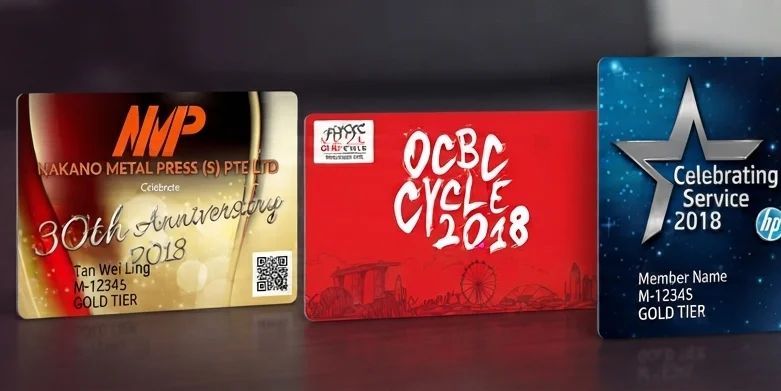
Before designing the artwork, create a list of the information that needs to be printed.
Common elements include:
- Organisation logo
- Membership number
- Member name
- Membership type or tier
- Validity or expiry date
- Contact information
- Website or QR code
- Terms or membership instructions
Avoid putting unnecessary information on the card. A membership card should remain easy to read and practical to carry.
If every member receives a different card, prepare the member information in a structured format before production. This makes variable data personalisation much easier to manage.
3. Create the Membership Card Design
The design should combine your organisation’s branding with the practical requirements of the card.
Consider:
- Brand colours
- Logo placement
- Typography
- Member information
- Card number placement
- QR codes or other references
- Front and back layouts
- Space required for variable information
For a professional result, keep important text and logos away from areas that may be affected by trimming or production tolerances.
If the card is being used as part of a wider membership experience, consider designing the envelope, welcome letter or packaging at the same time.
4. Choose the Right Card Format
Not every membership programme needs the same type of card.
Depending on the programme, you may use a conventional membership card, a personalised stored-value card or another card format suited to the intended use.
The important question is not simply “Which card looks best?”
Ask:
What does the member need the card to do?
If the card is primarily for identification, the design can focus on member information and branding.
If it is connected to a loyalty or stored-value programme, additional operational requirements may need to be considered.
For example, Smartcard’s existing services include customised EZ-Link and NETS card solutions, while its lettershop service is positioned for membership and loyalty card programmes.
5. Prepare Your Member Data
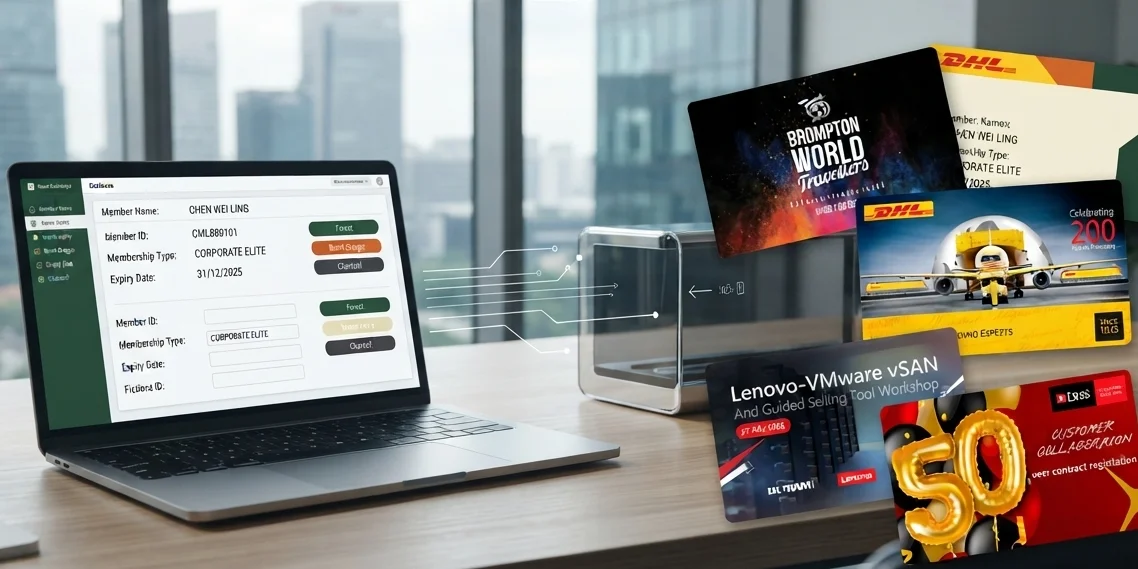
This is one of the most important stages of the process.
If every card needs unique information, organise the member database before sending the job for production.
Depending on the programme, your data may include:
| Information | Example purpose |
|---|---|
| Member name | Personalisation |
| Membership number | Member identification |
| Membership type | Tier or category |
| Expiry date | Validity |
| Delivery address | Direct mailing |
| Other variable data | Programme-specific requirements |
Make sure names, numbers and addresses are checked before production.
A spelling error on a membership card can mean reprinting and additional fulfilment work, so data checking should happen before the cards are produced.
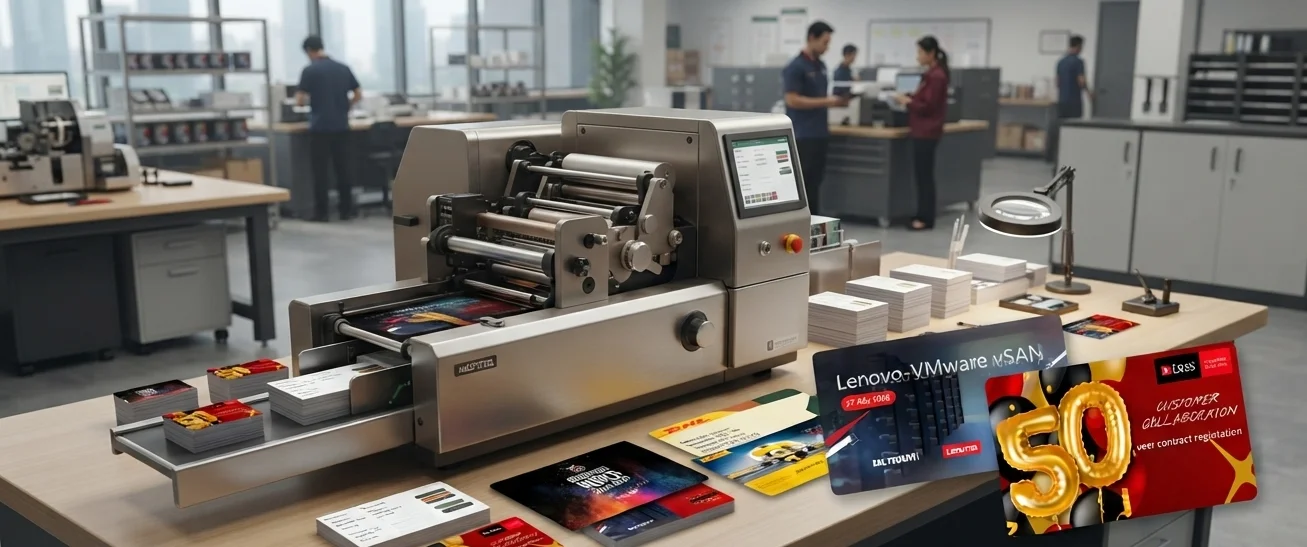
6. Print and Personalise the Cards
Once the design and data are approved, production can begin.
There are generally two parts:
Base card production
The card artwork, branding and standard information are printed.
Variable personalisation
Individual information such as names or membership numbers is added where required.
For a membership programme, variable data printing can be particularly useful because the organisation does not need to create a completely separate artwork file for every member.
The production process should also include quality checking before the cards move to fulfilment.
7. Add Packaging and Welcome Materials
The membership experience does not have to end with the card.
You can combine the card with:
- Welcome letters
- Membership information
- Discount vouchers
- Promotional materials
- Programme instructions
- Envelopes or branded packaging
Smartcard’s existing lettershop service includes options such as variable data printing on letters and cards, pasting cards onto letters, and bulk mailing of finished items.
This can make the membership launch feel more organised while reducing the number of separate fulfilment steps your internal team needs to handle.
8. Plan Card Storage and Inventory

If your membership programme runs continuously, you may need cards to be produced in advance and distributed over time.
This creates an inventory question:
Where will unused cards be stored until they are required?
A fulfilment arrangement can allow completed products to be stored and released when orders or member registrations are received.
Smartcard describes this process as:
Store → Pick → Pack → Deliver
The approach is designed to support membership and loyalty programmes where cards need to be dispatched to members as required.
9. Deliver Cards Directly to Members
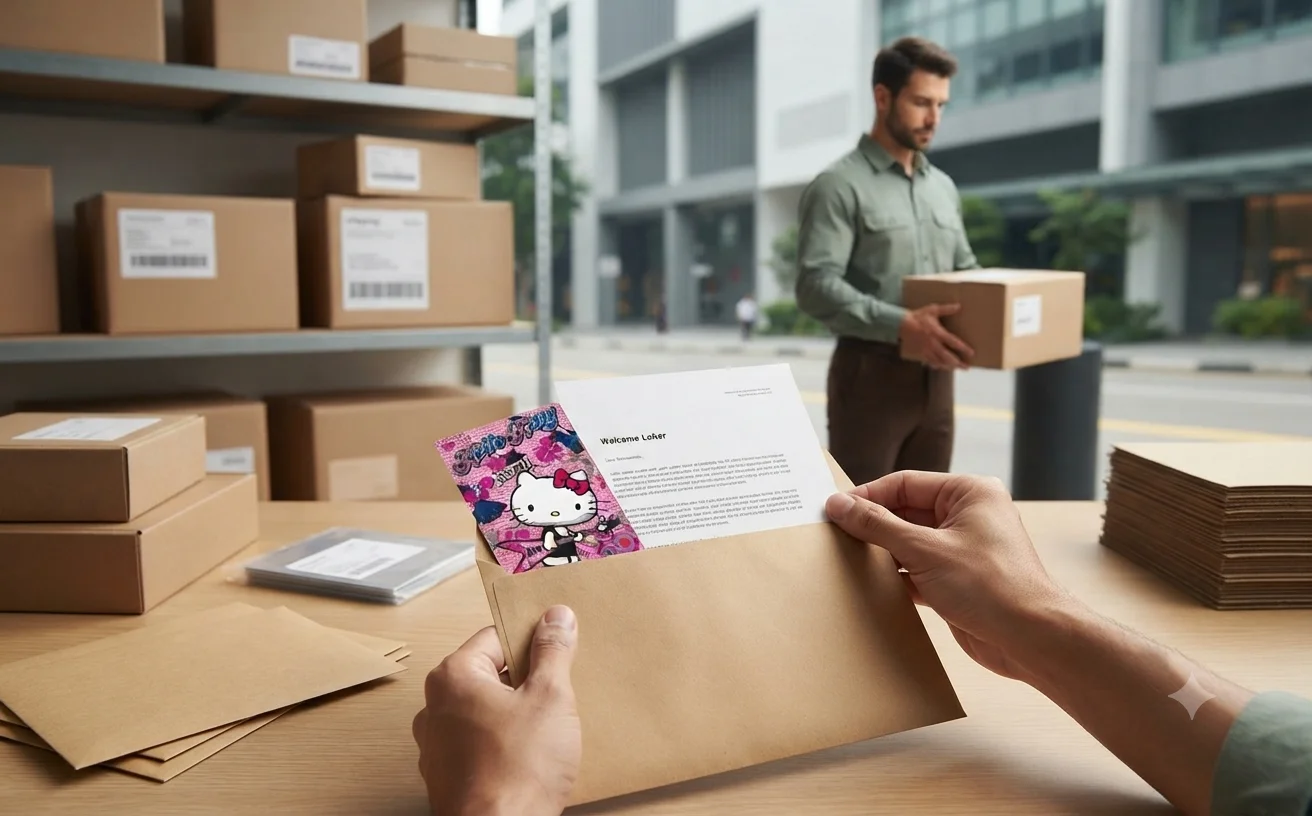
Delivery is often the most overlooked part of a card programme.
If your organisation has hundreds or thousands of members, manually sorting envelopes and arranging individual deliveries can quickly become an administrative task.
A fulfilment workflow can instead connect:
Member registration → Card production → Personalisation → Packing → Delivery
This is particularly useful when members join throughout the year rather than during a single launch.
Before starting, decide whether cards will be:
- Delivered directly to members
- Sent to your organisation for distribution
- Collected from a designated location
- Distributed in batches
The right option depends on your membership structure and operational requirements.
10. Plan for Replacements and Updates
A membership programme should also account for cards that are:
- Lost
- Damaged
- Expired
- Incorrectly printed
- Reissued after member information changes
Create a simple replacement process from the beginning.
For example:
- Member requests replacement.
- Organisation verifies the request.
- Replacement card is produced.
- Member information is personalised.
- Card is packed.
- Card is delivered.
Planning this workflow early can prevent replacement requests from becoming a manual administrative problem later.
A Simple Membership Card Programme Workflow
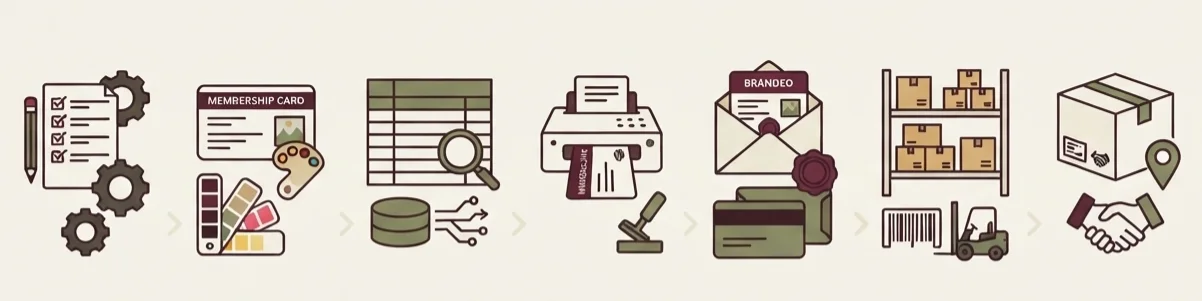
The entire process can be summarised as:
1. Plan the programme
↓
2. Define card requirements
↓
3. Create the artwork
↓
4. Prepare member data
↓
5. Print and personalise cards
↓
6. Add letters and packaging
↓
7. Store finished cards where required
↓
8. Pick, pack and deliver
↓
9. Manage replacements and ongoing fulfilment
The key is to think about the membership card as part of an end-to-end programme, rather than as a standalone printing job.
What Should You Prepare Before Contacting a Card Printer?
Having the following information ready can make the process much smoother:
- Type of membership programme
- Estimated card quantity
- Card design or branding
- Required personalisation
- Member data format
- Packaging requirements
- Delivery method
- Expected launch or delivery date
- Replacement requirements
You do not necessarily need to have every production detail finalised before discussing the project. The important thing is to clearly explain what the programme needs to achieve.
Why End-to-End Fulfilment Matters
For a small programme, printing cards may be the main requirement.
For a larger membership programme, however, printing is only one part of the operation.
The organisation may also need to manage:
Data + Personalisation + Inventory + Packaging + Mailing + Delivery
Combining these activities into one fulfilment workflow can reduce manual handling and make it easier to manage cards as membership numbers grow.
Smartcard’s existing membership and loyalty card offering specifically describes support for printing, storing and dispatching cards, including direct delivery to members.
Final Takeaway
A successful membership card programme in Singapore starts with clear planning.
Define the purpose of the card, prepare accurate member information, create a practical design and decide how cards will be personalised. Then look beyond printing and plan packaging, storage, fulfilment and delivery.
For organisations with ongoing membership programmes, treating these activities as one connected workflow can make the process considerably easier to manage.
If you are planning a membership or loyalty card programme, Smartcard can discuss requirements covering card customisation and fulfilment, including printing, storage, packing and delivery.