
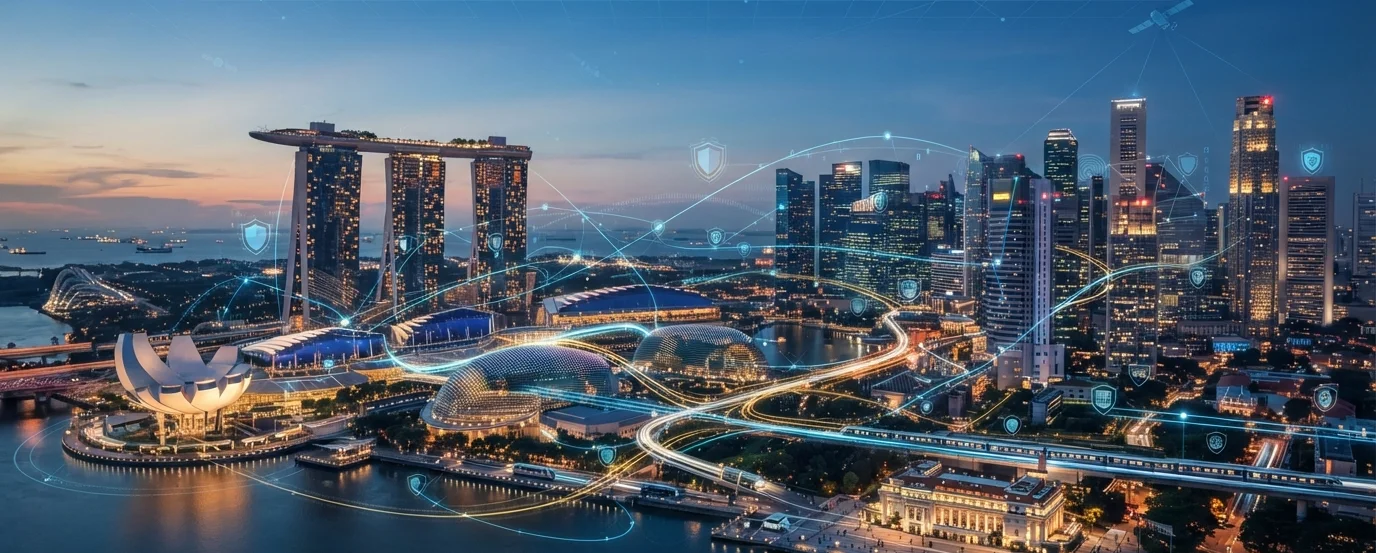
Singapore International Cyber Week 2026 (SICW 2026) will bring together government leaders, cybersecurity professionals, technology companies and industry experts to discuss the future of cyber and digital security.
The event takes place from 12 to 16 October 2026 at Sands Expo and Convention Centre, Singapore. This year’s programme covers topics including artificial intelligence, cyber resilience, digital trust, quantum security and smart cities. For businesses operating around connected services, digital payments, transport and customer data, one theme deserves particular attention: smart city security.
What Is Singapore International Cyber Week 2026?
SICW is Singapore’s major international cybersecurity event, organised by the Cyber Security Agency of Singapore. The 2026 edition focuses on the theme “Cyber at a Crossroads: Shaping the New Cyber Order.”
The programme reflects how quickly technology is changing. AI-enabled threats, connected infrastructure and the growing dependence on digital services are creating new requirements for cybersecurity and digital trust.

The agenda includes a dedicated Securing Smart Cities session on 13 October, alongside discussions covering AI security, cyber resilience and the future of cybersecurity.
Why Smart City Security Matters
A smart city depends on many connected systems working together.
Public transport, digital payments, buildings, communications, identity services and other connected infrastructure increasingly rely on technology and data. As these systems become more integrated, protecting the information flowing between them becomes increasingly important.
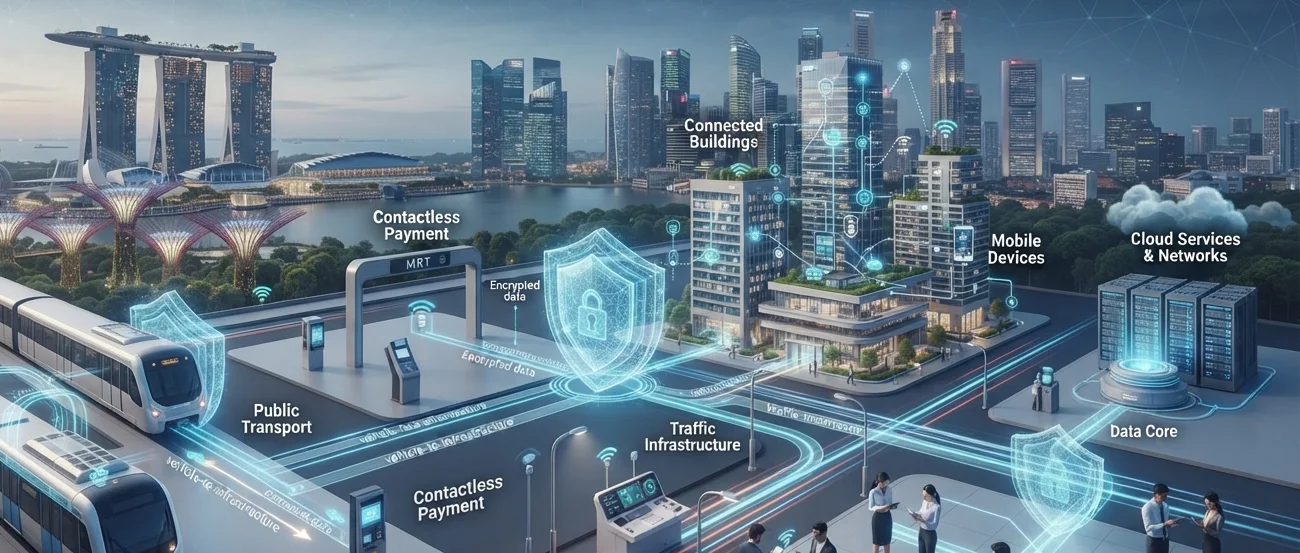
This is where the concept of a smart city becomes closely connected with cybersecurity.
Security is not only about protecting websites or computers. It also involves considering how information is collected, processed, transferred and used across real-world services.
For organisations handling customer or personalised information, secure processes therefore need to extend beyond the digital environment.
Where Smart Cards Fit Into the Connected Ecosystem
Smart cards are one example of how physical products and digital services can intersect.
Transport and stored-value cards can connect everyday physical interactions with payment and transport systems. Personalised cards can also involve customer names, addresses, artwork, membership information and other variable data during production and fulfilment.
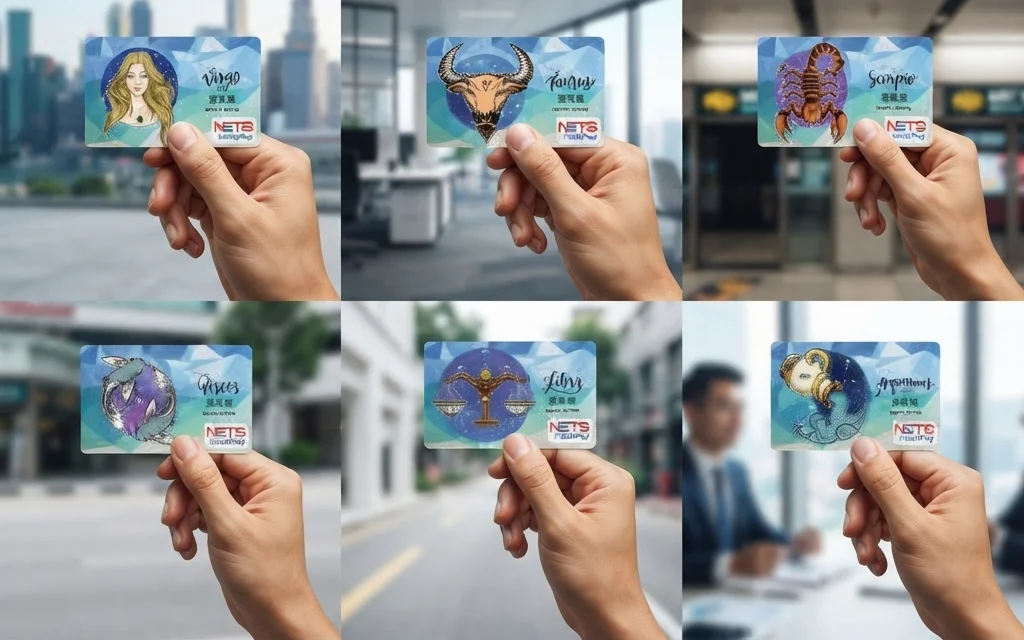
This creates an important operational consideration: how is information handled before the finished card reaches the customer?
For businesses, card personalisation can involve several stages, including data preparation, variable-data printing, card matching, packaging, storage, fulfilment and delivery.
SmartCard provides customised EZ-Link card solutions for businesses, including applications involving corporate branding, events and promotional campaigns.
Its wider SmartCard services also cover customised transport cards and fulfilment-related services.
Data Security Is More Than Cybersecurity
The discussions at SICW 2026 highlight an important distinction.
Cybersecurity focuses heavily on protecting computer systems, networks, applications and digital information from unauthorised access, disruption or misuse.
However, organisations also need sound operational processes for handling information that moves between digital systems and physical products.
For example, a personalised membership or transport card may require customer information to be matched correctly with the physical card before packaging and delivery.
That means businesses should consider security and accuracy throughout the complete workflow not simply at the point where data is stored digitally.
What Businesses Can Learn From SICW 2026
SICW 2026 provides an opportunity for organisations to think about security as part of their wider digital strategy.
Businesses working with connected services can consider questions such as:
- How is customer data collected and transferred?
- Which systems and partners handle that information?
- How is personalised information matched with physical products?
- How are physical items stored before delivery?
- What controls exist throughout the fulfilment process?
- How can organisations maintain customer trust as services become more connected?
These questions become increasingly relevant as Singapore continues developing its digital and smart-city ecosystem.
For organisations interested in the evolution of smart cards, our article on the evolution of smart cards in Singapore provides additional background.
Looking Ahead to SICW 2026
Singapore International Cyber Week 2026 demonstrates that cybersecurity is becoming increasingly connected with the way people interact with technology in everyday life.
From AI and connected infrastructure to transport and personalised services, security needs to be considered across the entire ecosystem.
For businesses involved in smart cards, customer data and fulfilment, this means looking beyond the finished card and considering the complete journey from data to personalisation to delivery.
As SICW 2026 approaches, the conversation around smart city security provides a useful opportunity for businesses to review how they manage connected services, customer information and operational processes.
Explore SmartCard’s customised card and fulfilment solutions at SmartCard Singapore.