
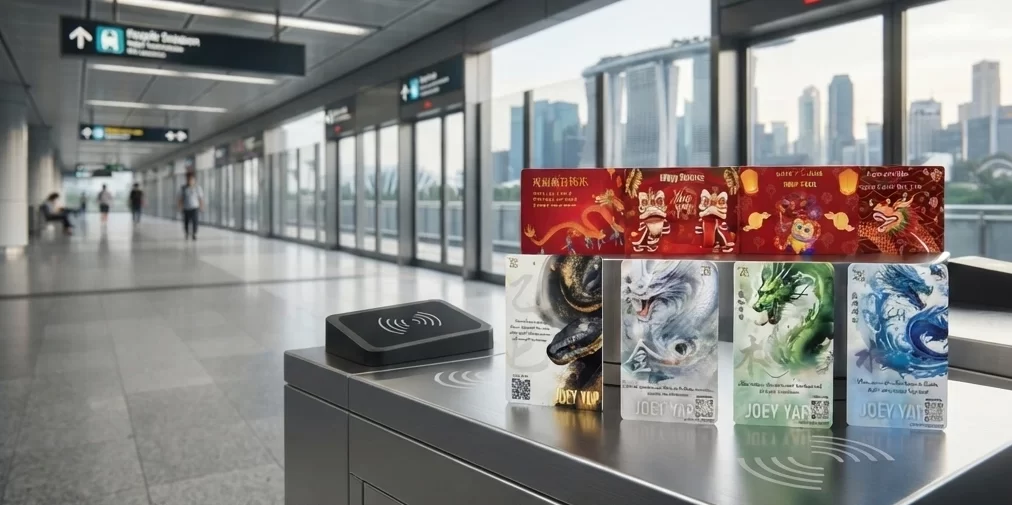
Smart cards have become closely connected with everyday life in Singapore. What began primarily as a convenient way to pay for public transport has developed into a broader technology used for payments, identification, stored value, personalisation and business applications.
Singapore’s experience with smart cards is particularly interesting because transport cards such as EZ-Link and NETS cards helped make contactless transactions familiar to millions of users. Over time, the same basic idea—carrying useful technology in a physical card—opened opportunities beyond commuting.
How Smart Cards Became Part of Singapore’s Transport System
The development of Singapore’s public transport payment system created a strong foundation for smart card adoption. EZ-Link introduced a rechargeable contactless card designed primarily for public transportation, while NETS later introduced products such as NETS FlashPay. CEPAS also became an important part of Singapore’s contactless card ecosystem.
For readers interested in the technology and history behind CEPAS, the CEPAS card in Singapore provides a useful deeper look.
The attraction was straightforward: instead of relying on cash or paper tickets, users could carry a reusable card and tap it when travelling. This made contactless transactions faster and more convenient while helping establish smart cards as a familiar part of Singapore’s daily infrastructure.
From EZ-Link and NETS to Wider Contactless Use
EZ-Link became strongly associated with Singapore’s public transport experience, while NETS developed its own role in the country’s electronic payment ecosystem. NETS FlashPay, in particular, became another important stored-value card option.
Readers comparing different NETS card options can also explore the guide on replacing NETS CashCard with NETS Motoring Card.
Readers who want to understand why the product became notable can explore this guide to why NETS FlashPay became popular.
The wider development of contactless payment also shows how smart card technology can support different applications. Modern systems can connect physical cards with digital accounts, payment infrastructure and other services, making the concept much broader than simply tapping a card at a transport gate.
For readers looking for practical information, this guide to buying an EZ-Link card in Singapore provides additional information about obtaining and using the card.
Smart Cards Beyond Transportation
The real evolution of smart cards is not only about how people travel. The physical card itself can also become a platform for branding, customer engagement and personalised experiences.
Businesses can customise cards with colours, logos, artwork and other brand elements. Instead of being viewed simply as a payment or access device, a card can become a physical representation of a company’s identity.
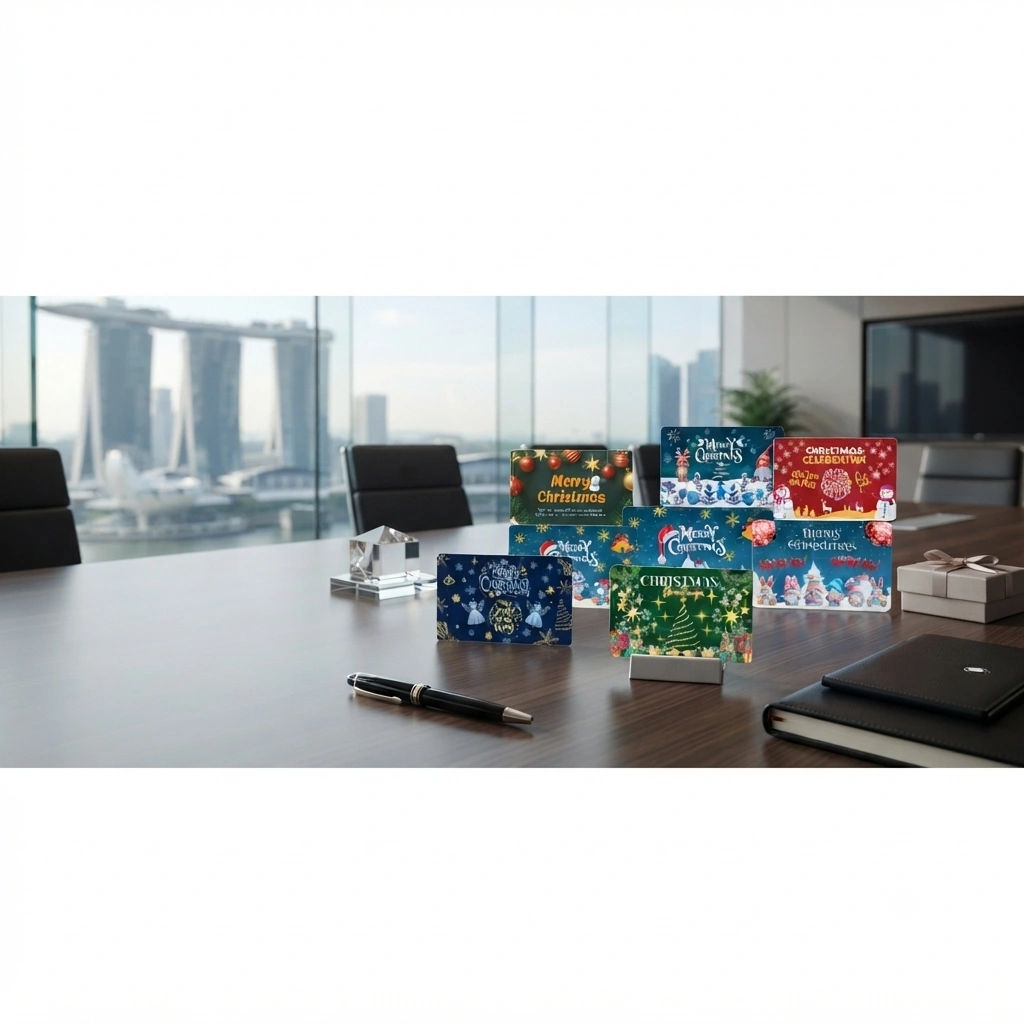
This idea is particularly relevant for corporate events, promotional campaigns and business gifting. A useful personalised card can combine practicality with branding, potentially giving customers or employees something they can continue using after an event has ended.
Personalisation is not a completely new concept. Singapore’s smart-card ecosystem has long included discussions around customised and personalised cards. For example, businesses and consumers can explore why personalising an EZ-Link card can be useful when considering the possibilities of customised card designs.
Why Customised Smart Cards Can Work for Businesses
A customised smart card can serve several purposes at once. A company may use one for a corporate gift, an event campaign, a promotional activity or a branded customer experience.
Before choosing a customised card, businesses should consider five practical factors: the purpose of the card, the target audience, the visual design, how the card will be used and how it will be distributed.
The design is especially important because the card has limited physical space. A strong design should make the brand recognisable without making the card look overcrowded. Businesses considering card artwork can also review EZ-Link card design ideas for inspiration.
The Future of Smart Cards in Singapore
Smart card technology continues to evolve alongside contactless payments and digital accounts. Singapore’s transport ecosystem now includes account-based approaches alongside traditional card-based systems, showing how physical cards and digital payment technology can coexist.
For travellers and consumers, the focus is likely to remain convenience. For businesses, however, the opportunity is broader: smart cards can combine practical functionality with personalisation and branding.
The journey from public transport payment to customised corporate applications demonstrates why smart cards remain relevant. Their value is not limited to the technology inside the card—it also comes from how organisations choose to use the physical card to create useful, memorable experiences.
Frequently Asked Questions
Smart cards can be used for transportation, payments, stored-value applications and other contactless services. Their exact use depends on the card and supporting system.
EZ-Link and NETS refer to card and payment products, while CEPAS is a Singapore electronic purse and payment standard associated with contactless smart-card applications.
Customised smart cards can be designed for purposes such as branding, corporate gifts, events and promotional campaigns, depending on the intended application and card solution.
Conclusion
Singapore’s smart-card journey demonstrates how a technology initially associated strongly with public transport can develop into a wider platform for contactless services, personalisation and corporate branding. From EZ-Link and NETS to customised card concepts, smart cards continue to connect convenience with practical business opportunities.